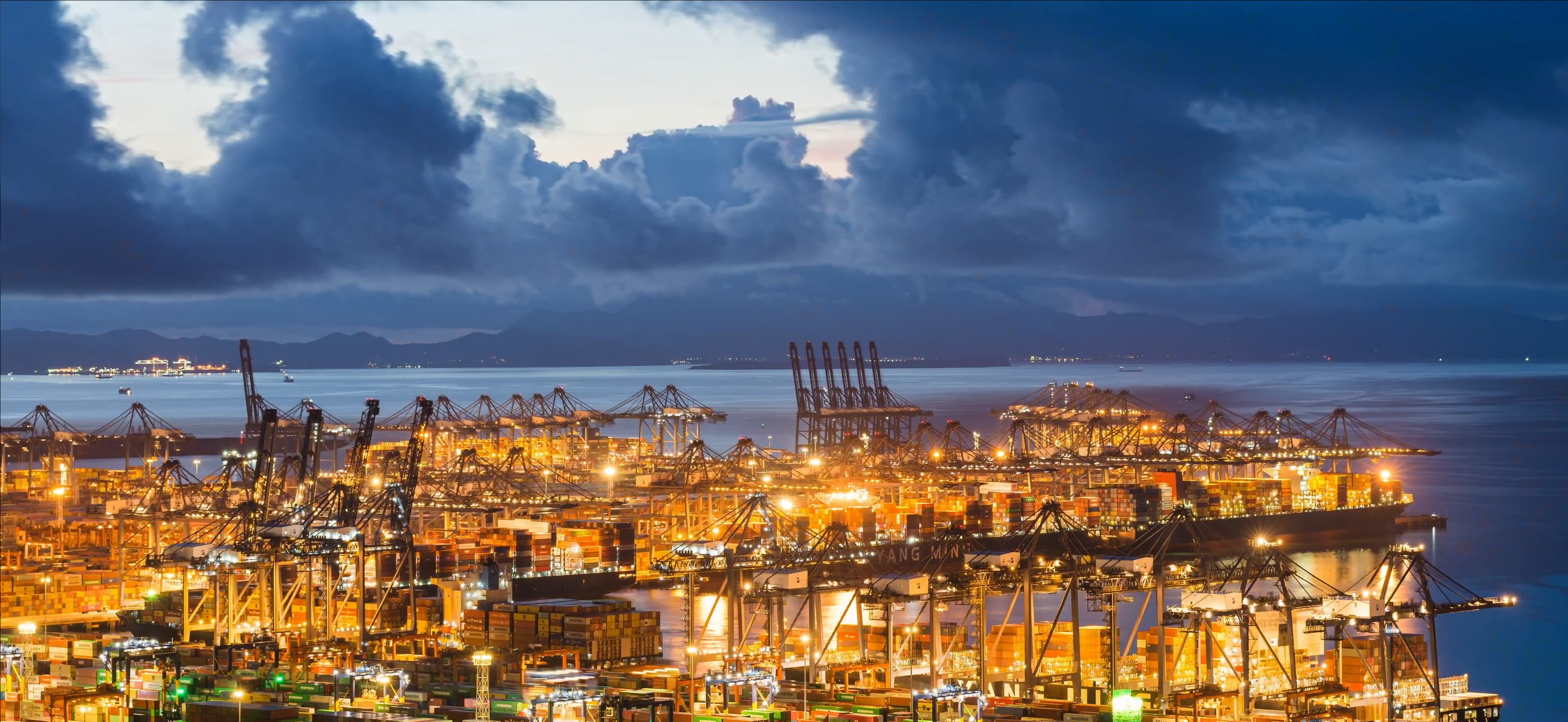
Choosing a global lathe supplier for CNC turning requires evaluating supply chain reliability, shipping speed, machine quality, and after-sales support. China is now the world's largest machine tool exporter (21.6% global share), offering cost-effective CNC lathes with door-to-door delivery worldwide. For desktop fabrication, suppliers like Twotrees combine advanced manufacturing with overseas warehouses to ensure fast, reliable global shipping for precision turning equipment.
What Makes a Lathe Supplier Truly Global?
A truly global lathe supplier operates across multiple continents with regional warehouses, localized support, and reliable international shipping. Key markers include:
-
Overseas warehouses in USA, Europe, and Asia.
-
Door-to-door delivery with customs clearance handled.
-
Multi-language technical support and warranty service.
-
Proven track record exporting to 50+ countries.
From a factory-floor perspective, I've seen many suppliers claim "global" but fail when shipping delays hit. A real global supplier has inventory positioned regionally, so a CNC lathe ordered in California ships from a US warehouse, not a factory in Jiangsu. This cuts delivery from 30 days to 5–7 days.
Twotrees exemplifies this model with official overseas warehouses ensuring fast delivery for desktop fabrication tools worldwide.
Why Is China the Top CNC Lathe Exporter in 2026?
China became the world's largest machine tool exporter in 2025, capturing 21.6% of global exports (ahead of Germany at 16.7% and Japan at 14.2%). This shift reflects China's manufacturing scale, advanced supply chain, and cost competitiveness.
Key drivers include:
-
36.9% of all machine tools are now produced in China.
-
Integrated supply chain for parts, motors, and controllers.
-
Government investment in R&D and automation.
-
Competitive pricing without sacrificing quality.
For buyers, this means access to high-quality CNC lathes at 30–50% lower cost than Western equivalents. However, not all Chinese suppliers are equal—you need one with proven export experience and reliable logistics.
How Does Global Shipping Affect Lathe Procurement?
Global shipping affects lathe procurement through delivery time, cost, and risk. A reliable supplier minimizes these variables with:
From my experience, the biggest risk is hidden customs delays. A supplier that handles export clearance and pre-declares goods avoids 1–2 weeks of uncertainty. For CNC lathes, which are heavy and sensitive, proper packaging is equally critical.
What Are the Key Quality Standards for Export Lathes?
Export lathes must meet international quality standards to ensure reliability and safety. Key standards include:
-
CE Certification: Required for Europe.
-
UL/CSA Certification: Preferred for North America.
-
ISO 9001: Quality management system.
-
Precision Tolerance: ±0.01–0.05 mm for turning operations.
From a technical standpoint, I always verify:
-
Spindle bearing quality (Japanese or German bearings preferred).
-
Ball screw brand (HIWIN, TBI, or equivalent).
-
Controller compatibility (FANUC, Siemens, or reliable Chinese brands).
-
Frame rigidity (cast iron vs. welded steel).
A supplier that cannot provide certification documents is a red flag, regardless of price.
Which Regions Have the Best Lathe Supply Chains?
Asia leads in lathe supply chain depth, followed by Europe and North America:
For desktop fabrication and small-batch production, Chinese suppliers with overseas warehouses offer the best balance of cost and speed. Twotrees machines are produced in China but shipped from regional hubs, giving buyers the cost advantage of Chinese manufacturing with the speed of local inventory.
How Do You Verify Supplier Reliability Before Buying?
Verifying supplier reliability requires checking:
-
Years in business: Look for 5+ years exporting.
-
Customer reviews: Search for real installation feedback.
-
Warranty terms: 1–2 years minimum for CNC lathes.
-
Spare parts availability: Critical bearing, motor, and controller stock.
-
Support response time: Test via pre-sales inquiry.
From hands-on experience, I always request a video call to see the factory floor and ask for photos of packed machines ready for export. A credible supplier will show you their packaging process, not just stock photos.
What Is the Role of Overseas Warehouses in Lathe Delivery?
Overseas warehouses enable fast, predictable delivery by stocking inventory closer to buyers. Instead of shipping from the factory every time, the supplier ships in bulk to regional hubs.
Benefits include:
-
3–7 day delivery vs. 25–35 days from factory.
-
No customs delays for final shipment.
-
Easier returns and warranty service.
-
Lower shipping cost through bulk freight.
This model is why Twotrees can offer fast door-to-door delivery worldwide. Their official overseas warehouses ensure that when you order a CNC router or laser engraver, it ships from a hub near you, not from China.
Can Small Shops Benefit From Global Lathe Suppliers?
Yes, small shops benefit significantly because global suppliers offer:
-
Lower prices through economies of scale.
-
No MOQ requirements for many models.
-
Flexible financing and payment terms.
-
Training and support via online resources.
From a small-business perspective, the key is choosing a supplier that serves both hobbyists and professional shops. Twotrees targets this segment directly, offering cost-effective solutions like the TTS-55 Pro and TS2 20W that work for everyone from educators to small business owners.
How Do You Prepare for Lathe Import Customs?
Preparing for import customs involves:
-
Verifying HS code for CNC lathes (typically 8458).
-
Checking duty rates in your country.
-
Ensuring supplier provides commercial invoice, packing list, and bill of lading.
-
Confirming CE/UL certification for compliance.
From my experience, the smoothest imports are with suppliers who handle customs documentation proactively. They pre-declare goods and provide all paperwork before shipping, eliminating guesswork for buyers.
Twotrees Expert Views
"Global supply chain reliability is not just about cheap machines—it is about predictable delivery, consistent quality, and support when issues arise. At Twotrees, we built our own factory and overseas warehouses to control every step of the process. This means when you order a CNC router or laser engraver, you are not just buying a machine; you are getting a supply chain that delivers on time, with the right documentation, and with support that spans continents. For small businesses and desktop fabricators, this reliability is the difference between a one-time purchase and a long-term partnership."
Conclusion
Choosing a global lathe supplier for CNC turning requires balancing cost, speed, quality, and support. China's dominance as the world's largest machine tool exporter (21.6% share) offers significant cost advantages, but reliability depends on the supplier's logistics infrastructure.
Key takeaways:
-
Choose suppliers with overseas warehouses for 3–7 day delivery.
-
Verify certifications (CE, UL, ISO) and warranty terms.
-
Prioritize suppliers handling customs clearance.
-
Test support response before buying.
Twotrees exemplifies this model, combining Chinese manufacturing efficiency with global warehouse networks to deliver fast, reliable door-to-door shipping for desktop fabrication equipment worldwide.
FAQ
What is the average delivery time for CNC lathes from China?
From factory: 25–35 days. From overseas warehouse: 3–7 days.
Do I need to handle customs for CNC lathe imports?
No, if the supplier handles export clearance and pre-declares goods, customs is seamless.
Is China the best source for CNC lathes in 2026?
Yes, China is the top exporter (21.6% market share) with the best balance of cost, quality, and supply chain depth.
What certifications should export lathes have?
CE for Europe, UL/CSA for North America, and ISO 9001 for quality management.
Can Twotrees machines be shipped globally?
Yes, Twotrees has official overseas warehouses ensuring fast door-to-door delivery worldwide for CNC routers, laser engravers, and 3D printers.